Developer’s Guide to Building Commercial Projects
in North Carolina
Planning a commercial construction project involves many important decisions—from selecting the right construction delivery method to navigating permits and coordinating design teams. This guide walks developers through the key stages of planning and building commercial projects across North Carolina.
Comprehensive Developer’s Guide to Building Commercial Projects
Developing a commercial building in North Carolina involves far more than simply hiring a contractor and starting construction. Successful projects require careful planning, coordination between architects and engineers, regulatory approvals, and a clear understanding of how construction projects move from concept to completion.
For developers, understanding the commercial construction process early can help reduce risk, control project costs, and avoid delays during permitting or construction.
This guide outlines the major stages developers typically move through when planning commercial construction projects across North Carolina.
Stage 1: Early Project Planning and Feasibility
Every successful commercial development begins with early planning.
During this stage developers typically evaluate:
• site conditions and accessibility
• zoning and land-use regulations
• project feasibility and financing
• expected project timeline
• development goals and building size
Many developers also begin consulting with construction professionals during this phase to help evaluate potential project challenges.
Stage 2: Choosing the Right Construction Delivery Method
One of the most important early decisions is selecting the construction delivery method that will structure the project team.
Common commercial construction delivery methods include:
• Construction Management
• Design-Build
• Design-Bid-Build
• General Contracting
Each approach affects how developers collaborate with architects, engineers, and contractors.
One of the first decisions developers make during the planning stage is selecting the right project structure, which is why many begin by reviewing the construction delivery methods used in commercial construction projects.
Stage 3: Design Development and Collaboration
Once the project structure is determined, architects and engineers begin developing the building design.
The design phase typically includes:
• architectural design
• structural engineering
• mechanical and electrical systems
• construction budgeting updates
• constructability reviews
Collaboration between design teams and construction professionals during this phase can significantly reduce costly design changes later in the project.
One of the first decisions developers make during the planning stage is selecting the right project structure, which is why many begin by reviewing the construction delivery methods used in commercial construction projects.
Stage 4: Permitting and Regulatory Approvals
Before construction can begin, developers must obtain approval from local municipalities.
This process may include:
• zoning approvals
• site plan review
• building permits
• environmental approvals
• inspections and compliance reviews
Permitting timelines can vary depending on the municipality and project complexity.
Stage 5: Construction and Project Coordination
After permits are approved, the project moves into the construction phase.
This phase typically includes:
• site preparation
• foundation work
• structural construction
• building systems installation
• interior build-out
• inspections
Maintaining coordination between contractors, subcontractors, and inspectors is essential to keeping projects on schedule.
Once project planning begins, developers can review the commercial construction timeline in Raleigh, NC to better understand how projects typically move from early planning through final completion.
Stage 6: Project Completion and Occupancy
Once construction is complete, the building must pass final inspections before occupancy.
This stage includes:
• final code inspections
• certificate of occupancy approval
• building commissioning
• tenant improvements (if applicable)
Once these steps are completed, the building is ready for use.
.
Why Many Developers Work with Construction Managers
Many developers choose to involve construction managers early in the planning process to help guide budgeting, scheduling, and project coordination.
Construction managers assist developers by:
• evaluating project feasibility
• coordinating design teams
• managing construction schedules
• overseeing subcontractors
• maintaining quality and safety standards
Many developers evaluating project delivery strategies take time to understand the differences between construction management vs general contractors in North Carolina, particularly when planning complex commercial developments.
Resources for Developers Planning Projects
Developers planning commercial construction projects may also find the following resources helpful:
• Construction Delivery Methods Explained
• Construction Management vs General Contractors
• Design-Build vs Traditional Construction
• Commercial Construction Timeline in Raleigh
These resources provide additional insight into planning and managing successful commercial construction projects.
Common Mistakes Developers Make When Planning Commercial Construction Projects
Planning a commercial construction project involves many moving parts, and even experienced developers can encounter challenges if key decisions are rushed during the early stages of planning. Understanding common planning mistakes can help developers avoid delays, unexpected costs, and coordination issues during construction.
Waiting Too Long to Involve Construction Professionals
One of the most common mistakes developers make is waiting until the design phase is nearly complete before consulting construction professionals. Early involvement from construction managers or experienced contractors can help identify potential cost issues, scheduling challenges, and constructability concerns before they become expensive problems.
Many developers explore the differences between construction management vs general contractors in North Carolina early in the planning process to determine which project structure provides the most transparency and coordination.
Choosing a Construction Delivery Method Too Late
The construction delivery method determines how the developer, architect, and construction team will collaborate throughout the project. Delaying this decision can create inefficiencies in budgeting, design coordination, and project scheduling.
Developers planning commercial projects often begin by reviewing the construction delivery methods used in commercial construction projects to understand how each approach affects project planning and collaboration.
Underestimating the Time Required for Permitting
Permitting and regulatory approvals often take longer than expected, especially for complex commercial developments. Zoning approvals, environmental reviews, and municipal permitting processes can significantly impact project schedules if they are not considered early in the planning phase.
Reviewing a typical commercial construction timeline in Raleigh, NC can help developers better understand how permitting and approvals fit into the overall project schedule.
Incomplete Early Budget Planning
Developers sometimes move forward with design concepts before establishing a realistic construction budget. This can lead to major design revisions later in the project if the estimated costs exceed financial expectations.
Early collaboration between the design team and construction professionals can help ensure the project scope, design, and budget remain aligned.
Lack of Coordination Between Design and Construction Teams
When architects, engineers, and contractors work independently without early coordination, projects are more likely to encounter scheduling conflicts or costly design revisions.
Many developers evaluate Design-Build vs traditional construction methods to determine whether a more integrated design and construction approach would benefit their project.
Final Thought
Careful planning during the early stages of a commercial construction project can significantly reduce risk and improve project outcomes. By understanding common planning mistakes and involving the right professionals early in the process, developers can create a stronger foundation for successful projects.
Additional Commercial Construction Planning Resources
Planning a Commercial Construction Project?
Developers planning commercial construction projects across North Carolina often involve construction professionals early in the planning process to help coordinate design, budgeting, and scheduling.
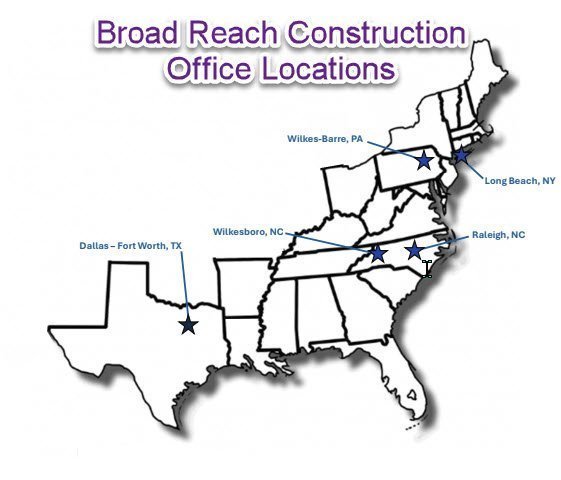
The team at Broad Reach Construction works with developers, architects, and owners to guide commercial construction projects from early planning through final completion.
Broad Reach Construction Leadership Team
KEVIN MORGAN
KEVIN DAVID
CHAD LYNCH
SHEA DAVIS
Message from Kevin Morgan, CEO of Broad Reach Construction Management
Broad Reach Construction Management serves clients across the East Coast with a simple mission: deliver dependable, results-driven construction management that brings your vision to life.
With more than 25 years of experience leading complex commercial projects, I’ve built our company around clear communication, disciplined cost control, and reliable execution. Our team is committed to managing every project with care, accountability, and a focus on long-term value.
When you choose Broad Reach, you gain a construction management partner who advocates for your best interests and delivers projects with clarity, control, and confidence.