North Carolina Commercial EV Charging Incentives & Funding Guide
Commercial EV charging infrastructure can qualify for valuable federal tax incentives, state funding programs, and utility rebates that may significantly reduce project costs. This resource guide explains current funding opportunities, planning considerations, and where to find the latest program information for commercial developments throughout North Carolina.
Download Our Free Commercial EV Charging Guide
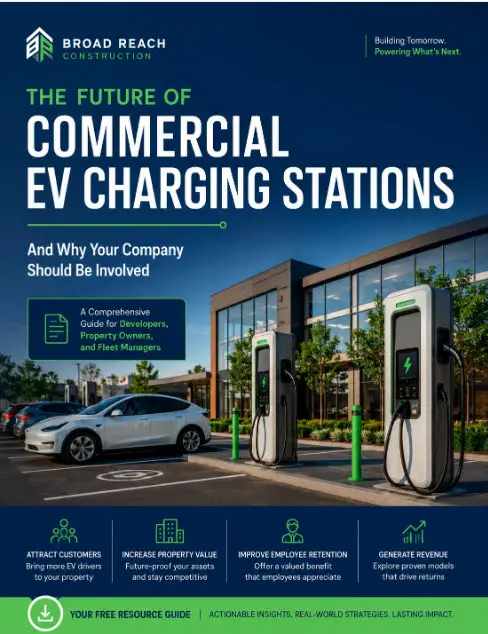
Planning an EV charging project?
Download our complimentary guide:
The Future of Commercial EV Charging Stations: Why Your Company Should Be Involved
[Download the Free Guide]
Commercial EV Incentives Can Significantly Reduce Project Costs
Developers, commercial property owners, fleet operators, apartment communities, and business owners often focus first on construction costs when evaluating EV charging infrastructure. However, available tax incentives, grants, rebates, and utility programs may reduce the overall cost of qualifying projects.
The funding landscape continues to evolve as federal legislation, state initiatives, utility providers, and local organizations introduce new programs or modify existing ones. Understanding these opportunities early in the planning process can improve project budgeting while helping organizations maximize available funding.
Because incentive programs change over time, this guide is reviewed periodically to provide current educational information and direct readers to official program resources.
Before You Begin
Before relying on any funding program, remember that eligibility requirements, available funding, and application deadlines may change without notice.
This guide is intended to help commercial property owners understand available opportunities. It should not be considered legal, financial, or tax advice. Always verify current program requirements with the official program administrator and consult your tax professional before making financial decisions.
Current Program Status
| Program | Current Status | Typical Applicants |
|---|---|---|
| Federal Alternative Fuel Vehicle Refueling Property Credit (Section 30C) | Currently available under existing federal law for qualifying projects placed in service by the current statutory deadline. Future legislation could extend, modify, or replace this incentive. | Commercial Property Owners |
| North Carolina Grant Programs | Availability depends on current state funding cycles. | Public & Private Organizations |
| Utility Incentive Programs | Varies by utility provider and service territory. | Businesses & Developers |
| Local Funding Opportunities | Available in select communities when offered. | Varies |
| Incentive Program | Who May Qualify | Potential Benefit | Current Status* | Official Source |
|---|---|---|---|---|
| Federal Alternative Fuel Vehicle Refueling Property Credit (IRC Section 30C) | Commercial property owners, businesses, developers, tax-exempt organizations (eligibility rules apply) | Up to 30% of eligible project costs, with commercial projects potentially qualifying for up to $100,000 per charging port if labor requirements are met | Available under current federal law for qualifying projects placed in service by June 30, 2026. Future legislation could extend, modify, replace, or discontinue the program. | IRS / U.S. DOE |
| Duke Energy Charger Prep Credit (Commercial) | Eligible Duke Energy business customers | Credit toward electrical infrastructure (“make-ready”) work needed to support commercial EV chargers | Currently Available (program terms and funding may change). | Duke Energy |
| North Carolina DEQ / State Energy Programs | Varies by program | Grants and funding opportunities when available | Funding cycles vary. Programs open and close based on appropriations and grant availability. | NC Department of Environmental Quality |
| Utility Incentive Programs | Commercial customers served by participating utilities | Rebates, make-ready incentives, charger deployment assistance, infrastructure support | Varies by utility provider and service territory. | Local Utility |
| Municipal & Cooperative Utility Programs | Businesses within participating municipal or EMC service areas | Rebates or infrastructure incentives | Availability varies by local utility and funding cycle. |
Important: Incentive programs evolve frequently. Congress may extend or replace federal tax credits, North Carolina agencies may introduce new grant opportunities, and utility companies periodically update rebate programs. An expiration date does not necessarily mean funding opportunities disappear—it often means the current program is scheduled to change. Before making investment decisions, always verify the latest requirements through the official program administrator.
Federal Commercial EV Charging Tax Credits
The federal government currently offers incentives that may help offset the cost of qualifying commercial EV charging infrastructure.
Depending on project eligibility and applicable labor requirements, qualifying commercial installations may receive significant tax benefits. Eligibility rules, maximum credit amounts, and expiration dates are established by federal law and can change through future legislation.
Rather than viewing published expiration dates as permanent deadlines, developers should recognize that Congress may extend, revise, replace, or introduce new incentive programs over time. Even if one program concludes, additional funding opportunities may emerge.
Official Resource
IRS Alternative Fuel Vehicle Refueling Property Credit
North Carolina EV Charging Incentive Programs
North Carolina has supported transportation electrification through a variety of grant programs and clean energy initiatives.
Program availability depends on funding appropriations and agency priorities. New funding rounds may open as state or federal resources become available.
Commercial property owners should monitor:
- North Carolina Department of Environmental Quality
- State Energy Office
- NC Clean Energy Technology Center
These organizations frequently announce new opportunities and updated eligibility requirements.
Lorem ipsum dolor sit amet, consectetur adipiscing elit. Ut elit tellus, luctus nec ullamcorper mattis, pulvinar dapibus leo.
Utility Rebates and Energy Provider Programs
Many commercial EV charging projects receive support from electric utility providers.
Available programs vary depending on the utility serving your property and may include:
- Infrastructure incentives
- Make-ready programs
- Electrical service upgrades
- Managed charging programs
- Demand management incentives
- Fleet electrification assistance
Property owners should contact their local utility early in the planning process to determine current offerings.
Funding Opportunities by Property Type
Office Buildings
Workplace charging incentives may support employee charging installations.
Apartment Communities
Multi-family housing programs periodically become available to encourage resident charging access.
Retail Centers
Retail developments may qualify for infrastructure incentives depending on project scope and utility participation.
Fleet Operations
Fleet charging projects often qualify for specialized funding opportunities designed to accelerate commercial fleet electrification.
Warehouses and Distribution Centers
Industrial properties planning future electric vehicle fleets should evaluate infrastructure funding before beginning site work.
Planning Before Applying
Many funding programs require documentation before construction begins.
Planning early allows project teams to coordinate:
- Site evaluations
- Electrical capacity studies
- Utility coordination
- Permit requirements
- Engineering
- Cost estimates
- Construction schedules
Starting the planning process before submitting funding applications often results in stronger projects and fewer delays.
Frequently Asked Questions
Can commercial EV charging projects qualify for tax incentives?
Yes. Qualifying projects may be eligible for federal tax incentives and other funding opportunities depending on applicable program requirements.
Can incentives be combined?
Some projects may qualify for multiple funding sources, although individual program rules vary.
Are utility rebates guaranteed?
No. Programs depend on funding availability and utility participation.
Will new incentive programs become available?
Possibly. Federal legislation, state initiatives, utility programs, and local funding opportunities continue to evolve as electric vehicle adoption expands.
Should I wait for new incentives before starting my project?
Not necessarily. Infrastructure planning often takes several months, and starting the process now allows developers to leverage available funding while remaining prepared for future opportunities.
Broad Reach Construction Leadership Team
KEVIN MORGAN
KEVIN DAVID
CHAD LYNCH
SHEA DAVIS
Message from Kevin Morgan, CEO of Broad Reach Construction Management
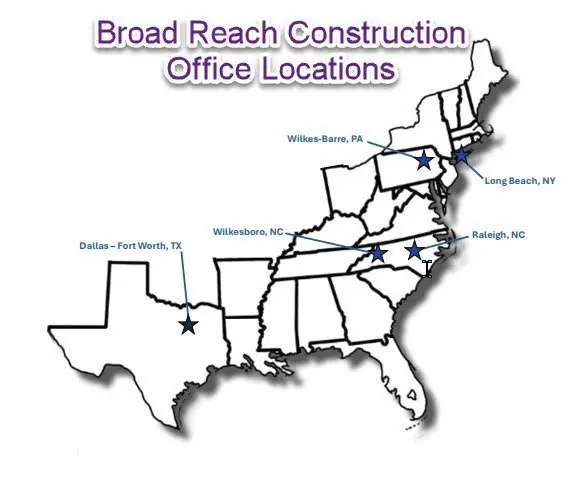
Broad Reach Construction Management serves clients across the East Coast with a simple mission: deliver dependable, results-driven construction management that brings your vision to life.
With more than 25 years of experience leading complex commercial projects, I’ve built our company around clear communication, disciplined cost control, and reliable execution. Our team is committed to managing every project with care, accountability, and a focus on long-term value.
When you choose Broad Reach, you gain a construction management partner who advocates for your best interests and delivers projects with clarity, control, and confidence.