Why Developers in North Carolina Are Choosing Construction Management Over General Contractors
Discover why commercial developers across Raleigh, Charlotte, and the Research Triangle are moving away from traditional general contracting and adopting construction management for better cost control, collaboration, and faster project delivery.
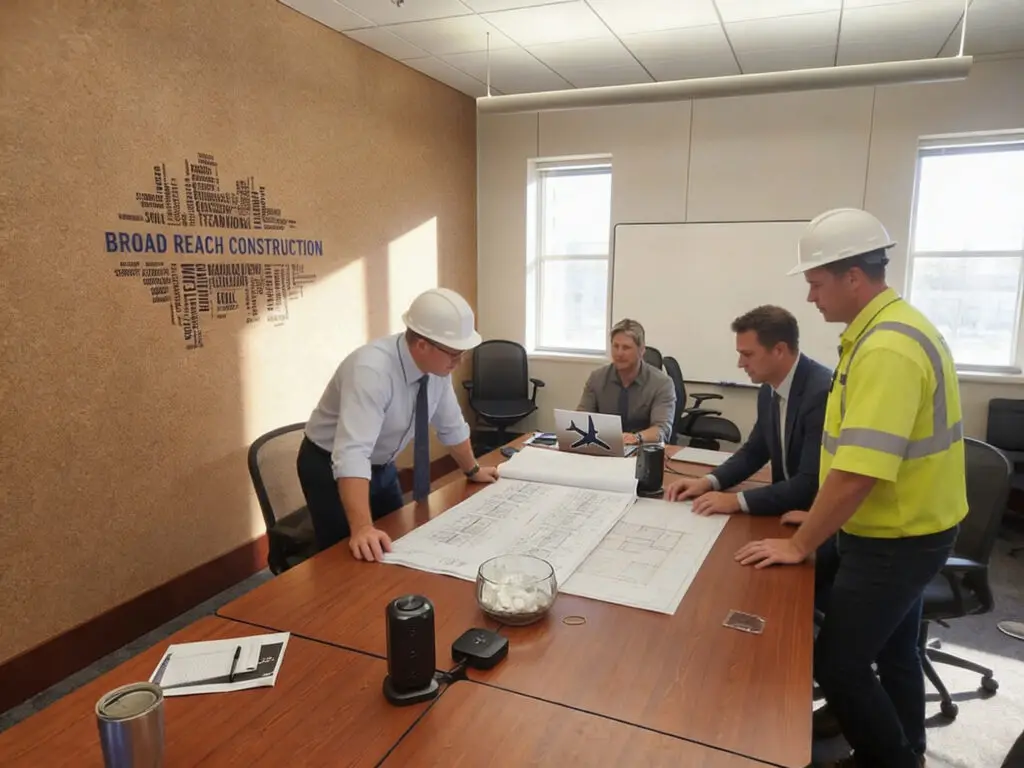
Across North Carolina’s rapidly growing commercial markets — from Raleigh and the Research Triangle to Charlotte, Greensboro, and the Piedmont region — developers are rethinking how construction projects are delivered. One topic gaining significant attention among commercial developers and architects is Construction Management vs General Contracting in North Carolina, as project owners look for better ways to control costs, improve collaboration, and deliver complex commercial buildings more efficiently. As development activity continues to accelerate across the state, many forward-thinking developers are discovering that construction management offers a more strategic approach to planning and delivering successful projects.
Commercial construction management in North Carolina is becoming the preferred delivery method for developers who want greater transparency, stronger financial oversight, and more strategic project planning.
For decades, the traditional model relied on hiring a general contractor after designs were complete. While this approach still works for some projects, today’s commercial developments often require a more collaborative and flexible delivery method.
As development accelerates across North Carolina — driven by population growth, corporate relocation, and industrial expansion — developers are increasingly turning to construction managers to guide projects from concept through completion.
This shift is not a trend.
It represents a fundamental change in how modern commercial projects are planned, financed, and delivered.
Understanding Construction Management vs General Contracting in North Carolina
Before selecting a project delivery method, many developers across North Carolina evaluate the differences between construction management and traditional general contracting. While both approaches can successfully deliver commercial construction projects, they operate very differently in terms of planning, cost transparency, collaboration, and overall project control.
Construction management allows developers to bring a construction expert into the project during the early planning stages. This early involvement helps guide budgeting, scheduling, and design decisions before construction begins.
General contractors, on the other hand, typically become involved after the design process is completed. They submit a lump-sum bid based on completed drawings and then manage the construction process according to the contract terms.
For many commercial developers in North Carolina — particularly those building warehouses, healthcare facilities, office buildings, and industrial projects — understanding the differences between these two delivery methods is essential for choosing the right approach.
North Carolina’s Commercial Construction Boom
North Carolina has become one of the fastest-growing commercial development markets in the United States.
Major economic drivers include:
• Technology expansion in the Research Triangle Park region
• Corporate headquarters relocations to Charlotte and Raleigh
• Logistics and distribution growth along I-85 and I-40 corridors
• Manufacturing expansion across the Piedmont and western North Carolina
This growth has increased the complexity of commercial construction projects.
Developers must navigate:
• municipal permitting processes
• rising construction costs
• labor shortages
• material supply volatility
• sustainability requirements
Construction management has emerged as the delivery method best suited to handle these challenges.
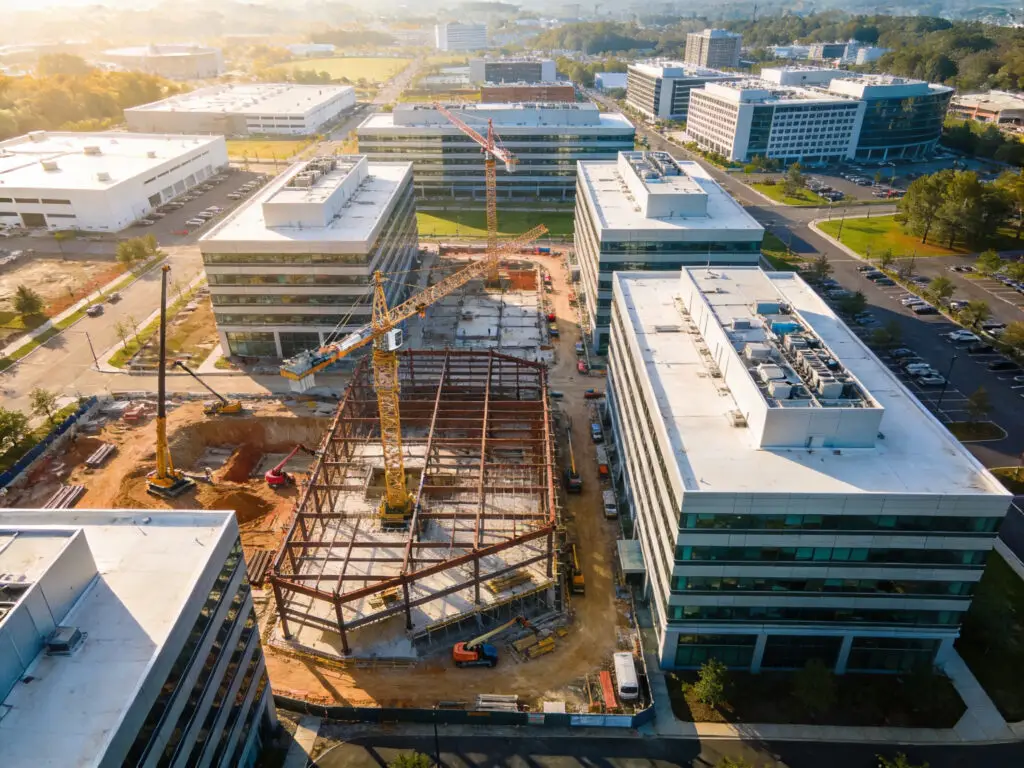
Construction Management in North Carolina
A construction manager acts as the developer’s strategic partner and advocate throughout the entire project lifecycle.
Instead of entering the project after design is complete, construction managers become involved during pre-construction planning, helping shape the project before major financial commitments are made.
Typical responsibilities include:
• project budgeting and cost forecasting
• feasibility and constructability analysis
• subcontractor prequalification
• schedule planning and coordination
• risk management and safety oversight
• transparent reporting to owners and stakeholders
This approach allows developers to maintain greater control over cost, schedule, and quality.
How Construction Management Differs from General Contracting
General contractors typically enter the process after design plans are finalized.
Their responsibilities generally include:
• submitting lump-sum bids
• hiring subcontractors
• coordinating construction activities
• delivering the project according to contract terms
While this model can work for straightforward projects, many developers find that it limits financial transparency and early strategic planning.
Construction management addresses those limitations by integrating project leadership from the earliest planning stages. Developers planning new commercial projects may also benefit from reviewing our Developer’s Guide to Building Commercial Projects in North Carolina, which outlines the full construction planning process.
Reason #1: Greater Cost Transparency
Open-Book Cost Management
Construction managers operate under an open-book accounting model, which allows developers to see exactly how project funds are allocated.
Developers gain full visibility into:
• subcontractor bids
• material pricing
• labor costs
• contingency planning
This transparency helps developers make better financial decisions throughout the project lifecycle.
Reason #2: Early Strategic Planning
Construction managers participate in the pre-construction phase, working alongside architects and engineers.
Benefits include:
• accurate conceptual budgeting
• constructability reviews that prevent design conflicts
• schedule planning based on local conditions
• improved permitting strategies with North Carolina municipalities
Early involvement significantly reduces the risk of costly changes during construction.
Reason #3: Flexibility in Changing Market Conditions
Commercial construction projects rarely proceed exactly as planned.
Material shortages, regulatory changes, and economic shifts can impact timelines.
Construction managers respond by:
• sourcing alternative suppliers
• adjusting procurement strategies
• re-sequencing schedules to prevent downtime
• applying value engineering strategies
This flexibility allows projects to stay on schedule without sacrificing quality.
Reason #4: Stronger Collaboration Between Stakeholders
Construction management fosters a team-based environment in which developers, architects, engineers, and subcontractors collaborate.
Benefits include:
• faster decision making
• fewer disputes and change orders
• improved communication
• designs that are more practical to build
Developers increasingly prefer collaborative partners rather than transactional contractors.
Reason #5: Improved Safety and Risk Management
Safety is a critical factor in commercial construction.
Construction managers implement structured safety programs that include:
• site-specific safety plans
• daily inspections and reporting
• subcontractor safety compliance monitoring
• proactive risk assessments
This approach reduces project disruptions and protects developers from liability.
Reason #6: Higher Quality Standards
Construction managers maintain continuous oversight throughout the construction process, ensuring that every stage meets quality expectations.
Developers benefit from:
• reduced construction defects
• fewer costly corrections
• improved long-term building performance
Across North Carolina — from industrial warehouses to healthcare facilities and office buildings — CM-led projects consistently produce higher quality outcomes.
Reason #7: Faster Project Delivery
Construction managers can begin procurement and scheduling while design work is still underway.
This overlapping of phases accelerates project completion.
For developers, faster delivery means:
• earlier tenant occupancy
• faster revenue generation
• reduced financing costs
Construction Management vs General Contracting in North Carolina
| Feature | Construction Management | General Contracting |
|---|---|---|
| Cost Transparency | Open-book | Lump-sum |
| Project Involvement | Early (pre-construction) | After design |
| Flexibility | High | Limited |
| Safety Oversight | Continuous | Periodic |
| Collaboration | Team-based | Transactional |
| Risk Management | Proactive | Reactive |
| Project Delivery | Faster | Slower |
Why Developers and Architects Prefer Construction Management
Many architects and developers across North Carolina now prefer to work with construction managers because it allows for better collaboration during design development.
Architects benefit from:
• real-time constructability input
• cost feedback during design
• fewer redesigns later in the project
Developers benefit from:
• better budget control
• stronger schedule predictability
• fewer costly surprises during construction

Why Developers Partner with Broad Reach Construction
At Broad Reach Construction, our construction management approach is designed to support developers, architects, and property owners throughout every stage of the project.
Our North Carolina team provides:
• comprehensive pre-construction planning
• transparent project budgeting
• strategic subcontractor coordination
• proactive schedule management
• continuous quality and safety oversight
From warehouse construction and office developments to healthcare facilities and specialized commercial projects, our team helps clients deliver successful projects across North Carolina.
When Construction Management Is the Right Choice for Your Project
While both construction management and general contracting can deliver commercial buildings successfully, the right delivery method often depends on the project’s complexity, timeline, and financial priorities.
Construction management is often the preferred approach when a project involves multiple stakeholders, tight scheduling requirements, or specialized construction systems.
Developers across North Carolina frequently choose construction management for projects such as:
• Warehouse and logistics facilities requiring fast-track schedules
• Healthcare and medical buildings with complex regulatory requirements
• Office developments and corporate headquarters where design collaboration is critical
• Manufacturing and industrial facilities requiring specialized systems and equipment
• Mixed-use commercial developments involving multiple building components
In these types of projects, early collaboration between the developer, architect, engineers, and construction manager can significantly reduce risk while improving project outcomes.
Construction management allows the project team to identify potential cost issues, scheduling conflicts, or design challenges before construction begins — helping developers maintain greater control over their investment.
For developers building commercial projects in Raleigh, Charlotte, Greensboro, and across North Carolina, construction management often provides the transparency and flexibility needed to deliver successful projects.
Common Questions About Construction Management in North Carolina
Why is construction management growing in North Carolina?
Rapid population growth and commercial expansion have increased project complexity. Construction management offers better planning, cost transparency, and collaboration for developers.
Is construction management more expensive than general contracting?
Not typically. Because construction managers provide early planning and cost control, many projects actually experience lower overall costs and fewer budget surprises.
What types of projects benefit most from construction management?
Construction management is particularly beneficial for:
• warehouse and logistics facilities
• healthcare buildings
• office developments
• manufacturing facilities
• mixed-use commercial projects
When should a construction manager be hired?
Ideally, construction managers are involved during the early planning or design phase, before major project decisions are finalized.
The Future of Commercial Construction in North Carolina
As North Carolina continues to attract businesses and investment, the complexity of commercial construction projects will continue to grow.
Developers must manage tighter budgets, faster timelines, and more demanding regulatory environments.
Construction management provides the strategic leadership necessary to deliver successful projects in this evolving landscape.
By prioritizing collaboration, transparency, and proactive planning, construction managers help developers build projects that are efficient, profitable, and built for the future.
Additional Commercial Construction Planning Resources
Broad Reach Construction Leadership Team
KEVIN MORGAN
KEVIN DAVID
CHAD LYNCH
SHEA DAVIS
Message from Kevin Morgan, CEO of Broad Reach Construction Management
Broad Reach Construction Management serves clients across the East Coast with a simple mission: deliver dependable, results-driven construction management that brings your vision to life.
With more than 25 years of experience leading complex commercial projects, I’ve built our company around clear communication, disciplined cost control, and reliable execution. Our team is committed to managing every project with care, accountability, and a focus on long-term value.
When you choose Broad Reach, you gain a construction management partner who advocates for your best interests and delivers projects with clarity, control, and confidence.